


The Ebola disease, its strangeness and Peculiarity
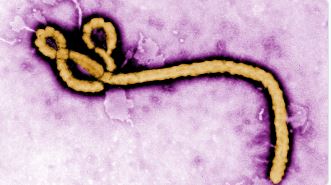
What is Ebola disease?
Ebola disease is a viral disease caused by virus called Ebola Zaire Virus.
Ebola Zaire Virus is from the family of orthoebolavirus genus, Filoviridae family. The virus causing Ebola is closely related to the Marbug Virus. Among the six species of Orthoebolavirus that have been identified there are three that causes large outbreaks i.e
- Sudan Virus (causing Sudan Virus Disease)
- Bundibugyo virus (causing Bundibugyo Virus Disease).
- Ebola Zaire Virus (causing Ebola Virus Disease)
Ebola disease is a severe form of viral hemorrhage fever with a very high fatality that ranges from 23% to 90%. All this depends on the outbreak, preparedness and availability of healthcare during the outbreak.
How is Ebola virus (Ebola Zaire Virus) Transmitted?
The virus is transmitted through direct contact with blood , body fluids, and tissues of infected individuals or animals. One animal called fruit bats are the biggest and natural reservoir of the Ebola Zaire virus that causes Ebola Disease. The transmission of the virus by person-to-person occurs through direct contact with infected bodily fluids, contaminated surfaces. This is very rampant as nosocomial transmission at healthcare settings.
Ebola Virus has an incubation period of 2 – 21 days upon transmission before it causes the real symptoms of the disease.
Symptoms of Ebola Virus
After incubation period, the patient experiences sudden onset of fever, chills, headache, muscle aches. Later these symptoms are followed by gastro intestinal symptoms like vomiting & diarrhea. This is followed by hemorhage later organ failure and in the worst situation often death.
Treatment and supportive care for Ebola Virus.
Ebola Virus Disease is disease is highly lethal and hence quick medical intervention and hospitalization is significant to increase the chances of patient survival.
The current Treatment for Ebola virus disease consists is monoclonal antibody therapies. FDA has approved INMAZEB and EBANGA monoclonal antibody therapies. The monoclonal antibody therapy should always be combined with the prerequisite intensive supportive care. Because the
Vaccine For Ebola Virus.
Currently there is no vaccine for Ebola Virus Disease but several are believed to be on development stage.
Though on May 2024 Strategic Advisory Group of Experts (SAGE) recommended Two vaccines:
- Ervebo (Merck & Co.) NB; Ervebo vaccine is currently considered as part of outbreak response.
- Zabdeno and Mvabea (Janssen Pharmaceuticals).
Precautions when handling an Ebola virus patient
Always identify and protect yourself from possible exposure routes by appropriately wearing the correct personal Protective Equipment (PPE). Correct waste management is also a priority to ensure the virus stays discarded rather than being transmitted and hence multiplied. A waste from an Ebola Virus Disease patient is considered highly infectious and therefore should be put in a double lined waste bags. Decontamination of any re usable equipments and surfaces that have been touched by the patient with o,5% bleach. Then the support person should shower out with 0.05% bleach for handwashing.