
PEP in HIV PREVENTION and CARE
Post-Exposure Prophylaxis (PEP)
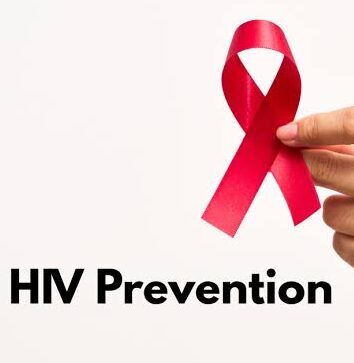
Post-Exposure Prophylaxis (PEP) is a short-term use of ART drug to prevent HIV infection
following a recent potential exposure.
To be sure the PEP will protect you from HIV infection i.e to have an optimal efficacy, you should take PEP as soon as possible and not later than 72 hours after the exposure event.
Who should take PEP?
PEP is recommended for those exposed to HIV through various high-risk scenarios, including:
▪ Sexual exposure, such as unprotected sex or sexual assault (in both adults and children)
▪ If one is Exposed to a needle stick injuries, mucosal contact with potentially infectious body fluids (e.g. sexual contact, eye/nose/mouth splash), non-intact skin, or percutaneous injury or contaminated injection equipment.
Type of body fluid that require one to take PEP are
Blood, blood-stained fluids, semen, vaginal secretions, cerebrospinal fluid, amniotic fluid, pleural/pericardial/synovial fluids, or HIV cultures.
Type of Exposures that one does not require to take PEP are
- If one tests positive or is Already known HIV-positive individual.
- Contact with low-risk fluids (e.g., tears, sweat, urine, saliva) These fluids are not considered significant HIV transmission risks unless visibly blood-stained.
These are the recommended Antiretroviral Regimens for HIV PEP
The following are the preferred regimen for Post Exposure Prophylaxis in HIV prevention:
- For adults over 30kgs or over 15 years : Either TDF + 3TC + DTG or TDF + FTC + DTG
- For children i.e. Below 30kgs or less than 15 yrs : ABC + 3TC + DTG
Note:
It is paramount to Confirm HIV-negative status before initiating PEP however one should not be denied PEP in
scenarios where testing kits are not readily available.
For more information please contact us or visit our website www.onlinedawa.co.ke