
https://onlinedawa.co.ke/
What Is Blood Pressure?
Blood pressure is a measure.
What does it measure?
It measures the force of blood pushing against the walls of the arteries. It is recorded as two numbers:
Systolic pressure – the pressure when the heart contracting
Diastolic pressure – the pressure when the heart relaxing.
For example, a reading of 120/80 mmHg means a systolic pressure of 120 and a diastolic pressure of 80.
The heart contracts and then relaxes. As it contracts and relaxes we are able to hear the cycles inform of beats.
When is your blood pressure considered – Normal Blood Pressure
A normal blood pressure reading may depend where its taken from.
For example
A normal blood pressure when measured at pharmacy or home should be:
Below 135/85 mmHg ,
A normal blood pressure when measured at clinic/hospital should be:
Below 140/90 mmHg
We may targets and recommended lower readings for some people with chronic kidney disease, cardiovascular disease or even diabetes.
It is good to remember that the ideal blood pressure for most adults is around 120/80 mmHg. Achieving a normal blood pressure is the epitome of lowering the risk of cardiovascular disease. This can be achieved by maintaining a healthy lifestyle, like regular exercise, a balanced diet, reducing salt intake and avoiding smoking. These lifestyle check helps in keeping blood pressure within this range.
Beyond the normal blood pressure, hypertension and its staging kicks in.
Stage 1 Hypertension: Mildly Raised Blood Pressure
Stage 1 is when your blood pressure is considered surpasses your normal blood pressure measure and hence hypertension. Hypertension is diagnosed when clinic readings are:
Systolic: 140–159 mmHg
Diastolic: 90–99 mmHg
It is at this stage that cardiovascular risk begins to increase. Treatment decisions are based on a person’s overall risk profile, including age, family history, diabetes, kidney disease and any existing heart or vascular disease.
Some patients can initially manage stage 1 hypertension with lifestyle changes alone, while others will benefit from starting medication earlier.
Stage 2 Hypertension: Moderately Raised Blood Pressure
Any blood pressure reading of
160/100 mmHg or higher
is considered a Stage 2 hypertension.
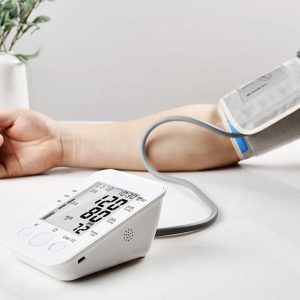
At this level of blood pressure the risk of heart attack, stroke and organ damage has significantly increased . The patients must consider blood pressure-lowering medication as an urgent management, alongside ongoing lifestyle changes. On top selfcare and healthcare assisted regular review and monitoring is critically essential to ensure blood pressure is brought under control. One may chose to procure a self care BP monitoring machine from a trusted provider like ONLINE DAWA a trusted online pharmacy though their platform https://onlinedawa.co.ke/ .
Severe (Stage 3) Hypertension
A blood pressure reading of
180/120 mmHg or higher
is considered severe.
This is because it is severely elevated and requires urgent medical assessment.
Such elevated blood pressure are accompanied by symptoms such as:
- Chest pain
- Shortness of breath
- Visual disturbance or confusion
- Severe headaches
Why Monitoring Blood Pressure Matters
Its not enough to say you dont have blood pressure since your lack symptoms, this is because high blood pressure rarely causes symptoms. The solution to this regular monitoring with a Home blood pressure monitoring. Regular monitoring often provides a more accurate picture than occasional readings taken in clinic alone. It also helps guide treatment decisions and track progress over time. Online-Dawa recommends you procure a home based Blood pressure monitoring machine and you keep your record of readings.
High blood pressure is common, detectable and manageable. Understanding the stages of hypertension allows patients and clinicians to intervene early, reduce long-term risk and protect heart and brain health. Regular monitoring, healthy lifestyle choices and appropriate treatment remain the foundations of effective blood pressure management.